
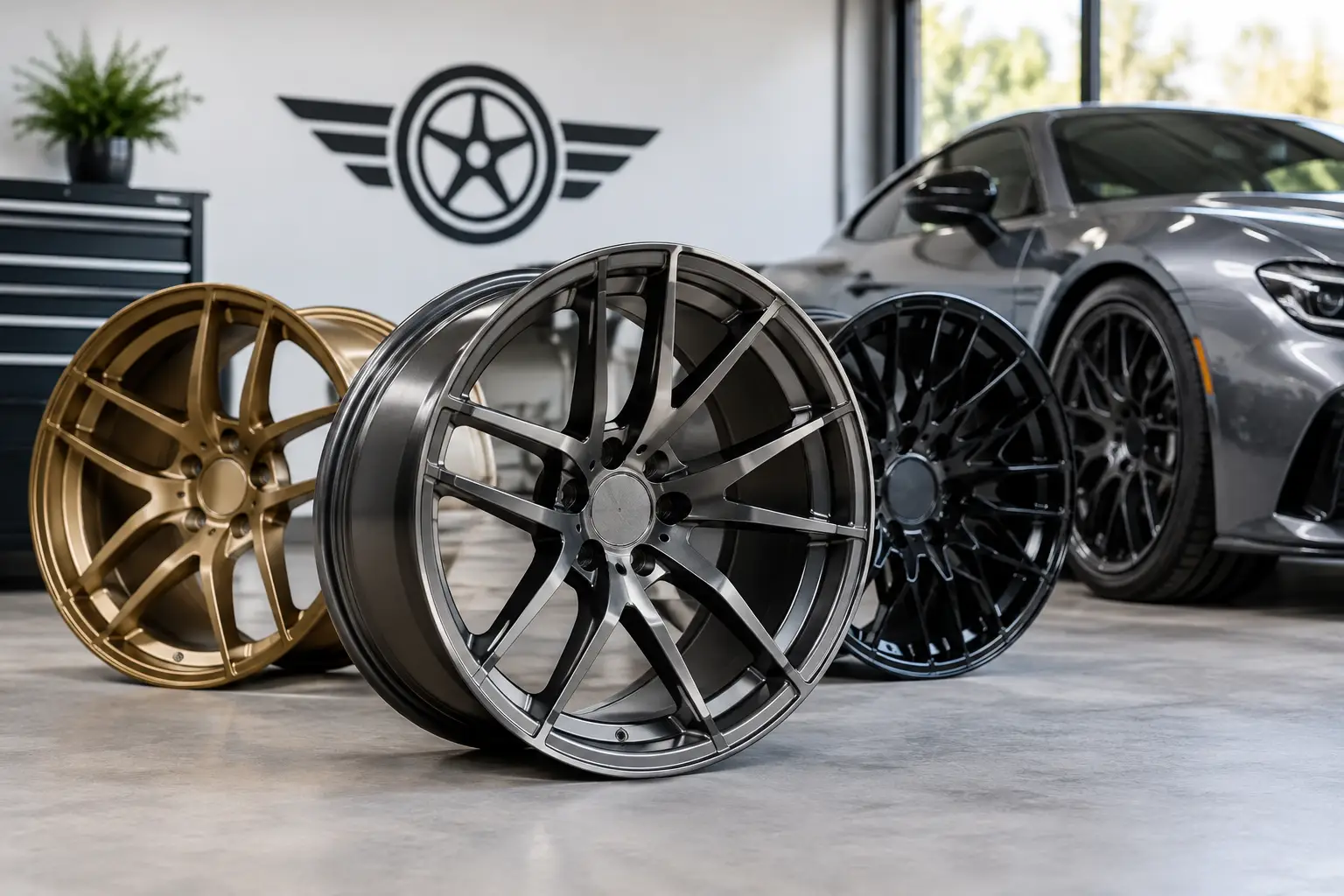
A wheel can fill a fender, clear big brakes, and change the entire profile of a vehicle. Or it can rub at full lock, sit too far inside the arch, and make an otherwise serious build look unfinished. Custom wheels made to order remove the guesswork by starting with the vehicle, the intended stance, and the look you want to carry.
That difference matters whether you are building a widebody performance car, a clean luxury sedan, a lifted truck, or an SUV on air ride. A made-to-order wheel is not chosen from a generic rack and adapted later. It is built around the specifications that define how your vehicle sits, drives, and presents.
Why Made-to-Order Wheels Hit Different
Mass-market wheels are designed to fit as many applications as possible. That makes them convenient, but compromise is built into the formula. A universal offset may clear a range of vehicles, yet leave too much wheel tucked behind the fender. A standard bore may require rings. A limited diameter and width range can force the tire choice instead of supporting the build.
Custom-built wheels give you control over the details that create a finished stance: diameter, width, offset, bolt pattern, center bore, concavity, finish, and hardware. Those details work together. Changing one measurement affects the rest.
A deeper lip, for example, may require a different face profile or offset. More concavity can improve the visual impact of a wheel, but it depends on brake clearance, hub position, and available space behind the spokes. The right setup is never just about selecting the largest number possible. It is about creating the strongest fit for your vehicle without sacrificing function.
For performance-focused builds, that control also has practical value. Proper brake clearance prevents expensive conflicts. Correct center-bore sizing supports a hub-centric fitment. Width and offset influence tire clearance, steering behavior, and how the vehicle tracks under load. The visual result gets attention, but the engineering underneath it is what makes the setup worth running.
Custom Wheels Made to Order Start With Fitment
Fitment is the foundation. Before a wheel design or finish is finalized, the build needs a clear direction. Is the vehicle at factory ride height, lowered on springs, set up for track use, or riding on air suspension? Is the goal a conservative flush fitment, a deep-dish street look, or an aggressive show stance with stretched tires and tight fender gaps?
Those answers shape the wheel specification.
Diameter and Width Set the Visual Scale
Wheel diameter changes the vehicle's proportions. A larger diameter can give a luxury sedan or SUV a stronger presence, while the wrong size can make tire sidewalls too thin for the roads you drive or upset the visual balance of the body. Performance cars often benefit from a diameter that clears upgraded brakes while leaving enough tire sidewall for real use.
Width determines how much wheel and tire sit across the axle. Wider is not automatically better. A wheel that is too wide can contact suspension components inside the wheel well or push the tire past the fender outside it. The right width supports the tire, fills the body line, and matches the role of the vehicle.
Staggered fitments are common on rear-wheel-drive performance cars, with wider rear wheels for a more planted look and increased rear tire capacity. Square setups, using the same size front and rear, are often favored when tire rotation or balanced handling matters more. Neither is universally superior. The right choice depends on the platform and how the vehicle will be driven.
Offset Decides Where the Wheel Lives
Offset is one of the most important wheel measurements and one of the easiest to overlook. It controls where the wheel sits relative to the hub. Too positive, and the wheel may look recessed or contact suspension hardware. Too negative, and the wheel may extend beyond the fender or create rubbing when the suspension compresses.
The target is intentional placement. Some builds call for a flush face aligned with the fender. Others need a controlled amount of poke, especially on trucks or aggressive widebody applications. With air-ride suspension, offset must account for the full range of movement, not only how the vehicle looks when parked.
A proper specification considers steering lock, suspension travel, tire size, brake package, and body clearance. That is why a wheel that fits one version of a vehicle may not fit another with coilovers, larger brakes, aftermarket arms, fender work, or air ride.
Center Bore and Bolt Pattern Are Not Small Details
Bolt pattern gets attention because it determines whether the wheel can mount to the vehicle. Center bore deserves the same respect. A vehicle-specific center bore allows the wheel to seat properly on the hub, supporting a true hub-centric installation rather than relying on lug hardware alone to center the wheel.
This is one of the quiet advantages of made-to-order construction. The wheel can be built for the application from the start instead of relying on adapters, rings, or compromises that may be acceptable for some builds but unnecessary for yours.
Forged Construction for a Serious Build
For enthusiasts who demand strength, reduced weight, and custom design freedom, forged wheels are the premium choice. A forged wheel begins with high-grade aluminum shaped under extreme pressure. The material structure is then machined into the final design, allowing for a strong wheel without the excess material often associated with heavier alternatives.
The benefit is not simply a spec sheet. Reducing unsprung weight can support sharper suspension response, braking feel, and acceleration. On a high-horsepower street car or a vehicle with performance suspension, those gains have more meaning than they do on a purely cosmetic build. Still, the visual advantage is immediate: forged construction supports detailed spoke patterns, deep concavity, and tailored profiles built around the brake package.
There are trade-offs. Forged wheels cost more than cast options because the material, machining, and build process are more involved. They also deserve responsible ownership. An aggressive finish, ultra-low-profile tire, and rough roads can make any premium wheel more vulnerable to damage. If the vehicle sees broken pavement daily, a practical tire sidewall and realistic ride height may protect the investment better than chasing the lowest possible stance.
Choose a Design That Matches the Vehicle
A wheel should amplify the lines already present in the vehicle. Thin, technical spokes can sharpen the look of a modern sports car. A bold split-spoke or mesh design can add presence to a luxury sedan. Trucks and SUVs often carry stronger, more substantial wheel designs well, especially when paired with the right tire profile and suspension height.
Finish should follow the same thinking. Brushed aluminum exposes machining detail and suits a refined performance build. Gloss black creates a more aggressive, low-key appearance. Satin finishes balance both directions. Polished lips and contrasting hardware can make a multi-piece-style look stand out, but they demand a cleaner overall build to avoid looking disconnected.
Do not choose a finish in isolation. Consider paint color, brake calipers, trim, tint, and suspension setup. A coordinated build has a purpose from every angle. Maddox Motorworks builds around that complete-vehicle mindset, where forged wheels, sound, and air-ride suspension can work as one statement rather than separate upgrades.
Tire Selection Completes the Setup
The wheel gets the first look, but the tire determines much of the real-world result. Tire width, sidewall height, and tread design affect clearance, comfort, traction, road noise, and how the wheel appears in the fender.
A stretched tire can create a clean, aggressive show fitment, but it reduces sidewall protection and may not be the right answer for a vehicle that sees hard cornering, heavy loads, or poor roads. A meaty tire gives a more functional performance or truck-oriented look, while offering greater protection against potholes and curb damage. The choice should serve the use case, not just a single photo angle.
If you are pairing wheels with air ride, build the tire package around aired-out and driving height. If you are running a brake upgrade, verify caliper clearance before the wheels are machined. If the vehicle is a daily driver, prioritize clearance through turns, dips, and full suspension compression. A custom wheel setup should look right parked and stay right when the road gets real.
Build the Wheel Package Around Your Vehicle
The best custom wheel decisions are specific. They account for the chassis, brakes, suspension, tire plan, and the kind of presence you want when the vehicle rolls in. That is the value of building to order: you are not asking a generic wheel to work for your project. You are creating a wheel package for the project itself.
Bring clear photos, exact vehicle details, current suspension information, and an honest description of how you drive. A well-planned setup gives you the stance you wanted without turning every speed bump, driveway, or corner into a problem.