
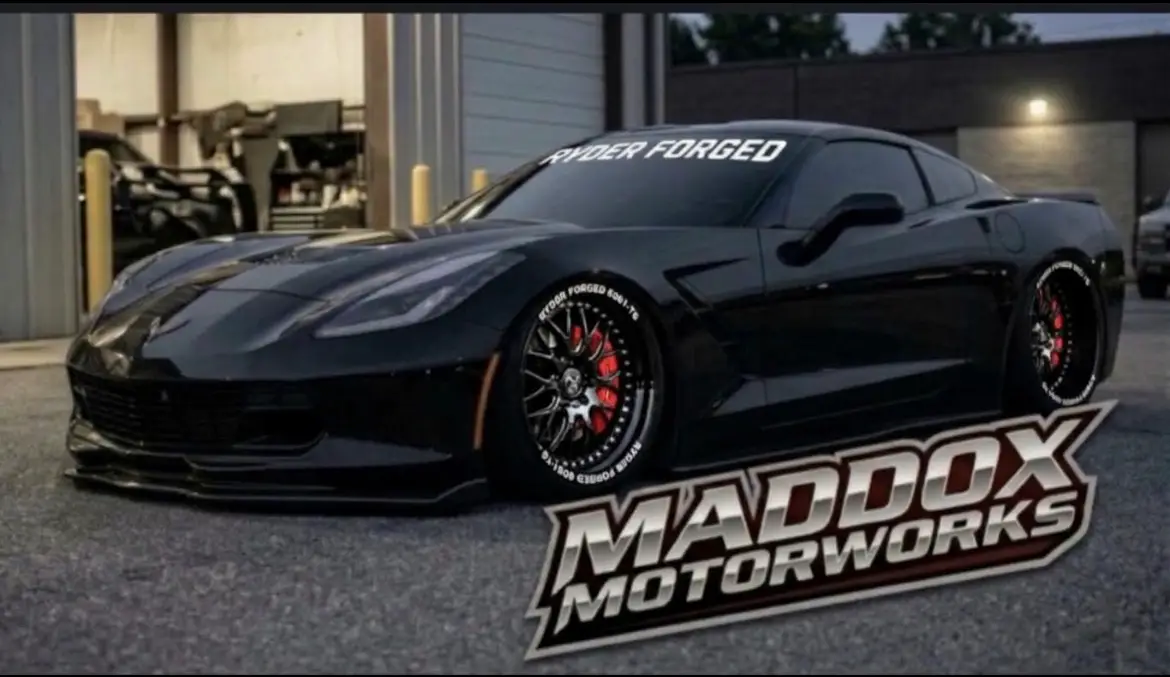
A wheel can change the entire presence of a vehicle before the engine starts. The right set of custom forged wheels sharpens the stance, fills the fenders with purpose, and gives a build a look that cannot be duplicated by an off-the-shelf package. But appearance is only part of the equation. True custom wheels are built around the vehicle, the intended ride height, the brake setup, and the way you want the car, truck, or SUV to sit.
For a show-focused luxury sedan, that may mean a deep concave profile and a polished finish. For a performance coupe, it may mean a lighter forged design with brake clearance and tire support at the center of the build. For a lifted truck or full-size SUV, it may mean an aggressive offset, a strong face, and proportions that hold their own against the bodywork. The point is not to force your vehicle into a universal specification. The point is to build the wheel around it.
Why Custom Forged Wheels Are Different
Forged wheels begin with a solid billet of aluminum that is shaped under extreme pressure, then machined into the final design. That process creates a denser grain structure than a typical cast wheel, giving forged construction its reputation for high strength with less material. The practical result is a wheel that can be lighter than many cast alternatives while still being engineered for demanding use.
Less unsprung weight can improve the way a vehicle responds. Steering may feel more immediate, suspension can react more effectively over changing pavement, and performance-focused builds benefit from reducing rotating mass where it matters. Those gains depend on the wheel design, tire choice, vehicle weight, and how the vehicle is driven. A large-diameter wheel with a heavy tire will not suddenly behave like a track setup simply because it is forged. The advantage is having a stronger foundation for the exact wheel you want.
The larger difference is freedom. A custom forged wheel is not limited to the few offsets, finishes, and bolt patterns that happen to be stocked in a warehouse. It can be specified for your vehicle and your vision. Diameter, width, offset, center bore, bolt pattern, spoke profile, lip size, hardware, finish, and center cap details can all work together rather than fight each other.
Fitment Is What Makes the Build
A wheel can have the right diameter and still fit poorly. This is where custom specification separates a serious build from a generic one. Width and offset determine where the wheel sits in relation to the suspension, brake components, fender, and outer body line. Small changes in either measurement can move the wheel dramatically.
A flush fitment is not just about pushing the wheel outward. It requires enough inner clearance for suspension components and enough outer clearance for steering, compression, and real-world road movement. On lowered vehicles, the margin becomes tighter. On air-ride suspension, the vehicle must be measured at drive height and at the aired-out position, because both matter. A wheel that looks right while parked but contacts the fender at ride height is not a finished setup.
Brake clearance deserves the same level of attention. Large factory brake packages, aftermarket big brake kits, and certain caliper shapes require specific spoke profiles and barrel dimensions. Do not assume a wheel clears because another wheel of the same diameter clears. The face design, brake profile, and barrel geometry all play a role.
Tire selection also belongs in the fitment conversation. A tire that is too narrow can leave a stretched look that does not suit every build. A tire that is too tall or too wide can create rubbing, steering interference, or unwanted contact under compression. The strongest setups treat wheels, tires, suspension, and alignment as one system.
Choose a Design That Matches the Vehicle
Wheel design should reinforce the vehicle’s character, not compete with it. Multi-piece-inspired looks, directional patterns, split spokes, mesh faces, and bold five-spoke layouts each bring a different attitude. A refined European sedan may carry a detailed, technical design well. A modern muscle car often benefits from a more aggressive face with visible depth. Trucks and SUVs usually need a design with enough visual mass to match their larger proportions.
Concavity is one of the most requested elements in custom wheel design, but it depends on available space. Wider rear fitments and certain vehicle platforms can accept more dramatic concave faces. Front-wheel-drive vehicles, narrow-body platforms, and brake-heavy setups may have less room to create that depth. A quality build does not chase concavity at the expense of proper fitment. It uses the deepest profile that works safely and cleanly for the application.
Diameter should also be chosen with intent. Larger wheels create a more dramatic visual effect and can reveal a brake upgrade, but they require a lower-profile tire and may affect ride quality. A smaller diameter with more sidewall can better suit performance driving or rougher roads. There is no universal best size. The right size is the one that supports the look, use, and suspension setup of your vehicle.
Finish Is Part of the Specification
The finish determines how a forged wheel reads from a distance and how it holds up over time. Brushed aluminum, polished faces, gloss black, satin black, bronze, tinted clear, and custom color options can move the same wheel design in completely different directions.
Polished and bright-machined finishes bring high visual impact, especially under show lighting and direct sun. They also demand more attention if the vehicle sees harsh weather, road salt, or frequent brake dust. Satin and textured finishes can offer a more understated performance look while helping conceal light surface marks. Gloss black remains a clean choice, but its darker appearance can hide intricate spoke work from a distance.
Finish selection should connect to the complete build. Consider paint color, trim, caliper color, exposed hardware, and whether the vehicle will receive matching air-ride and audio upgrades. A coordinated build does not require every part to match exactly. It requires each choice to look intentional.
Built for Street Use, Shows, or Both
Before finalizing custom forged wheels, be direct about how the vehicle will be used. A weekend show build has different priorities than a daily-driven SUV. A track-focused car has different needs than a bagged sedan built to lay frame at events. There is room for all of these approaches, but the specifications should reflect reality.
For daily use, prioritize tire availability, practical sidewall height, load requirements, and clearance through steering and suspension travel. For a show vehicle, finish detail, lip depth, and aired-out presentation may carry more weight. For performance use, focus on weight, brake clearance, tire support, and a diameter that works with the intended tire package.
This is also where load rating matters. Full-size trucks and SUVs place different demands on a wheel than a compact sport sedan. Towing, cargo, passenger loads, and larger tire packages should never be treated as an afterthought. A custom look is only worth having when the wheel is properly suited to the vehicle it carries.
The Value of a Build-to-Order Approach
A build-to-order wheel process creates time for the right questions before a set is machined. Vehicle year, make, model, trim, brake configuration, suspension changes, desired ride height, tire plan, and finish direction all influence the final specifications. That attention reduces compromises that often come with universal wheel options.
Maddox Motorworks approaches the build as a complete vehicle statement. Ryder Forged and Maddox Wheels give enthusiasts a custom wheel foundation, while Ryder Air and the brand’s audio divisions support the stance and cabin experience that turn a modified vehicle into a complete package. The goal is not simply a larger wheel. It is a vehicle that looks composed from every angle.
Custom forged wheels are a serious investment because they are made for a specific application rather than pulled from a shelf. That investment makes the most sense when fitment, finish, tire selection, and suspension are planned together. Start with the way you want your vehicle to sit and drive, then choose the wheel specifications that make that vision work on the street, at the show, and everywhere between.