
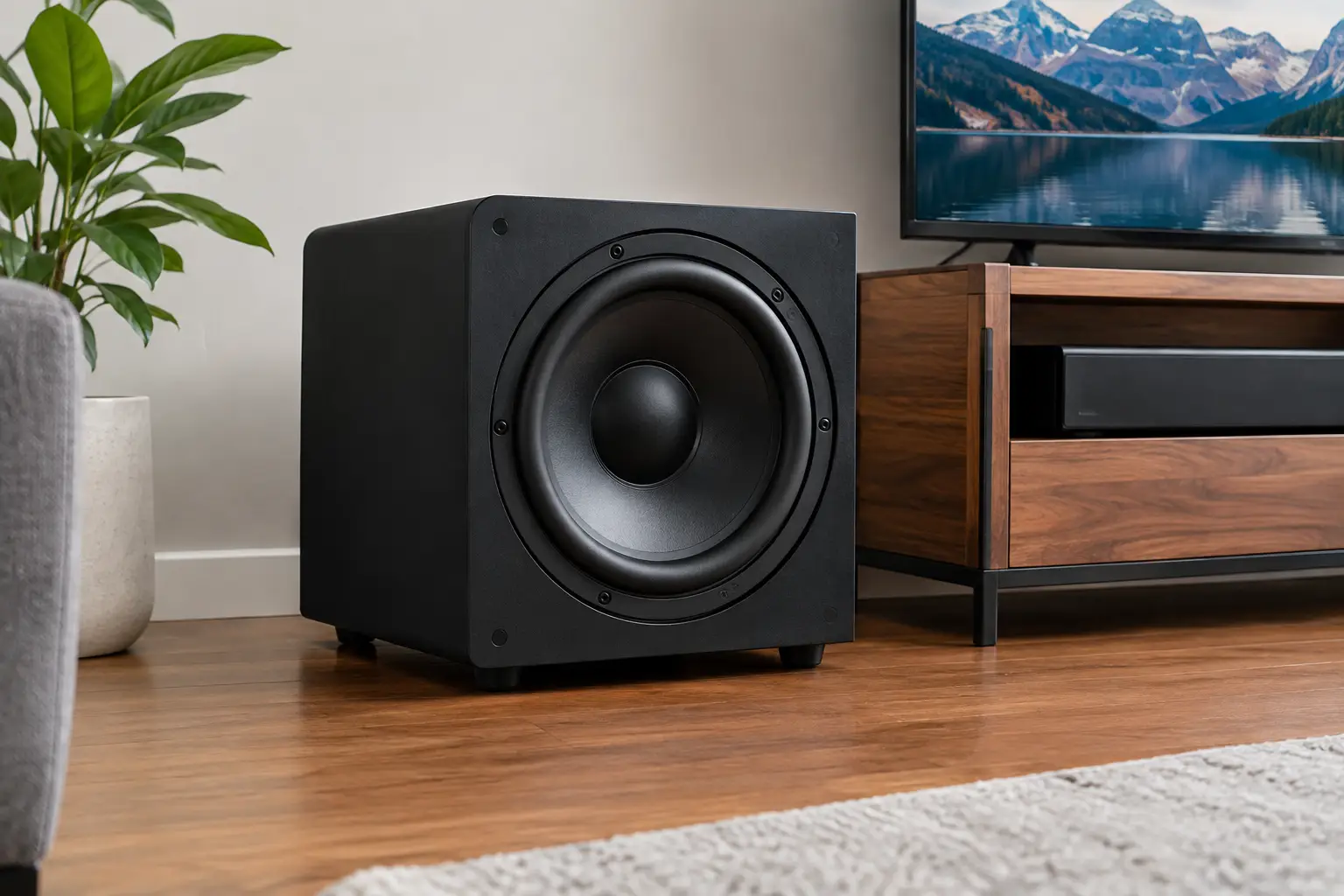
A system can be loud and still miss the point. The best subwoofer for deep bass is not simply the biggest driver or the one with the highest peak-power number. It is the subwoofer, enclosure, amplifier, electrical system, and vehicle layout working together to produce low frequency you can feel without turning every note into muddy vibration.
For a clean custom build, the goal is controlled output. You want bass that reaches into the low notes, holds together when the volume comes up, and fits the character of your vehicle. A daily-driven luxury sedan, a lifted truck, and a show-focused SUV may all need deep bass, but they do not need the same system.
Choosing the Best Subwoofer for Deep Bass
Start with the sound you actually want. Deep bass usually means strong response in the low-frequency range, often around 25 to 40 Hz. That is where modern hip-hop, rap, EDM, movie soundtracks, and bass-heavy country mixes gain weight. But chasing the lowest possible frequency without considering the rest of the system can leave you with slow, bloated bass that overwhelms the music.
The right build should match your listening style. If you want hard-hitting kick drums and tight bass lines, control matters as much as output. If your priority is maximum low-end pressure on a demo build, cone area, enclosure volume, port design, and electrical capacity move to the front of the conversation.
A quality subwoofer is designed to move air repeatedly under power without losing composure. Look beyond peak watt ratings. RMS power handling, suspension design, voice-coil configuration, excursion capability, and build quality tell a more useful story. Peak power is a marketing number. RMS is the number that helps you match the driver to an amplifier for reliable daily use.
Driver Size Sets the Foundation
A 10-inch subwoofer can deliver impressive low-end in the right enclosure, especially in a compact car where space is limited. It can be a strong choice for drivers who want fast response and a clean factory-plus sound without giving up the trunk or cargo area.
A 12-inch subwoofer is often the sweet spot for deep bass. It offers more cone area than a 10 while remaining practical for most sedans, coupes, trucks, and SUVs. A properly powered 12 in a correctly built box can deliver the low extension and authority most enthusiasts want from a serious street system.
A 15-inch subwoofer brings more air movement and more potential output, particularly in larger SUVs, trucks, and dedicated audio builds. The trade-off is space. It needs a larger enclosure, more amplifier power, and usually more electrical support. A 15 is not automatically better than a 12. A poorly designed 15-inch setup will lose to a properly engineered 12-inch system every time.
Two subwoofers can increase cone area and output, but they also add cost, weight, enclosure demand, and amplifier requirements. Dual 12s can be the right call for a full-size SUV or truck build with room to spare. For a compact sedan, one high-quality 12 may be the smarter, cleaner setup.
The Enclosure Makes or Breaks Deep Bass
Subwoofers do not perform in a vacuum. The box is part of the system, and its design has a major effect on how the bass hits inside the cabin.
A sealed enclosure is compact and controlled. It is often the right choice for enthusiasts who value accuracy, smooth bass response, and a tighter sound across different music genres. Sealed boxes can still get deep, but they generally require more power to reach the same output as a comparable ported design.
A ported enclosure is built for more output and stronger low-frequency extension when it is designed and tuned correctly. For drivers who want bass that presses through the cabin and carries at a meet, a ported box is often the better route. The downside is that ported designs take more space and are less forgiving. Box volume, port area, port length, and tuning frequency must be matched to the specific subwoofer.
Do not buy a universal prefab box and assume the system is optimized. Generic enclosures are built to fit a range of products, not to get the best result from your exact driver, amplifier, and vehicle. A custom enclosure built around the subwoofer's specifications and available cargo space will usually deliver more usable bass and a cleaner install.
Amplifier Power Must Be Honest Power
The amplifier should provide clean RMS power at the final impedance your subwoofer configuration presents. That last part matters. Dual voice-coil wiring can change the load seen by the amplifier, and the wrong wiring plan can leave power on the table or push an amp outside its stable operating range.
An underpowered amplifier is not always safe. When pushed too far, it can clip, sending a distorted signal that creates heat in the subwoofer's voice coil. An oversized amplifier can also cause damage if gains are set carelessly. The answer is not simply more watts. It is a properly matched amplifier, correct wiring, sensible gain setting, and a system tuned for clean output.
A monoblock amplifier is the standard choice for most subwoofer systems because it is designed to deliver power efficiently to low-frequency drivers. Choose an amp based on real RMS output, not a flashy maximum number printed on the box.
Your Electrical System Has to Keep Up
Deep bass places real demand on a vehicle's charging system. Headlights dimming on heavy notes, voltage drop, amplifier protection mode, or inconsistent output are signs that the supporting electrical system needs attention.
For a moderate setup, quality power and ground wiring, correct fusing, and a healthy battery may be enough. Higher-power systems may need an upgraded battery, a high-output alternator, or both. A capacitor is not a cure for an undersized charging system. It can support a well-designed build, but it cannot replace the current your amplifier needs.
This is especially relevant in modern vehicles packed with factory electronics. Integration should be planned carefully so the audio upgrade adds impact without introducing noise, warning lights, or reliability issues.
Vehicle Layout Changes What You Hear
Cabin shape, trunk pass-throughs, seat position, and enclosure placement all affect bass response. A trunk-mounted sub in a sealed sedan behaves differently than the same setup in an open-cabin hatchback or SUV. Trucks introduce another variable: available space behind or under the rear seat can limit enclosure depth and volume.
That is why vehicle-specific planning matters. The cleanest system is not always the one with the most equipment. It is the one that uses the available space intelligently, preserves the vehicle's function, and puts the bass where it can perform.
For a build that needs to look as serious as it sounds, the enclosure can be finished to match the rest of the interior, with clean amplifier placement, protected wiring, and a layout that does not look like an afterthought. At Maddox Motorworks, that vehicle-first approach matters because audio is part of the build, not an accessory added at the end.
Tune for Bass You Can Live With
After installation, tuning separates a powerful system from a punishing one. Set the low-pass filter so the subwoofer handles bass rather than trying to reproduce vocals. Use the subsonic filter on ported systems to protect the driver below the enclosure's tuning range. Keep bass boost conservative. Excessive boost can create distortion, heat, and mechanical stress long before the system sounds its best.
Take time to balance the subwoofer with the front speakers. If the bass feels disconnected from the music, lower the level before adding more power. Deep bass should give the track weight and presence, not bury the detail that makes the system worth listening to.
The right subwoofer build should feel intentional from the driver's seat. Choose the driver and enclosure for your vehicle, power it correctly, and support it with the electrical system it deserves. When the low end is built around the whole vehicle, every pull away from the curb carries the kind of impact a custom build should have.