
A premium audio build is not defined by a high price tag or a trunk full of equipment. The best premium car audio systems are built around the vehicle, the listener, and the goal of the build. A luxury sedan needs clean detail and controlled bass. A lifted truck can carry serious low-end output. A show car may need both, with an installation that looks as sharp as the wheels and stance.
The right system does more than get louder. It creates authority behind the wheel. Every vocal stays clear, every bass note lands with purpose, and the gear fits the vehicle rather than fighting it.
What Makes a Car Audio System Premium?
Premium starts with component quality, but it ends with system design. Speakers, amplifiers, subwoofers, electrical support, sound treatment, enclosure design, and tuning all affect the final result. Install one expensive part into a weak system and it will still expose the weak link.
A proper build begins with the listening experience. Some owners want a front stage that feels wide and detailed, with vocals centered on the dash. Others want chest-hitting bass that dominates at meets and rolls clean through the cabin on the highway. Neither goal is wrong, but they require different equipment choices and tuning priorities.
Fitment matters just as much. Factory mounting locations, door depth, cargo space, seat clearance, and vehicle electronics all shape what can be installed. Vehicle-specific systems avoid the compromise of forcing universal gear into a platform that was never designed around it.
The Best Premium Car Audio Systems Start With a Goal
Before choosing speakers or subs, decide what the vehicle needs to do. This keeps the build focused and prevents the common mistake of buying parts based on specs alone.
A sound-quality-focused system prioritizes accurate speakers, a capable DSP, clean amplifier power, and sound-deadened doors. This is the right direction for drivers who care about imaging, detail, and long listening sessions. It does not have to be quiet, but raw volume is not the point.
An SPL-focused build is engineered for output. Larger subwoofers, high-power monoblock amplification, reinforced electrical systems, and a purpose-built enclosure take priority. These builds are for owners who want to feel the music as much as hear it. The trade-off can be lost cargo space, more weight, and a more aggressive electrical demand.
Most custom vehicles land in the middle. They need strong, deep bass without burying the front stage, enough volume to stand out, and an installation clean enough to match the rest of the build. That balanced approach is often the best choice for daily-driven performance cars, trucks, SUVs, and luxury builds.
Build the Front Stage Before Chasing Bass
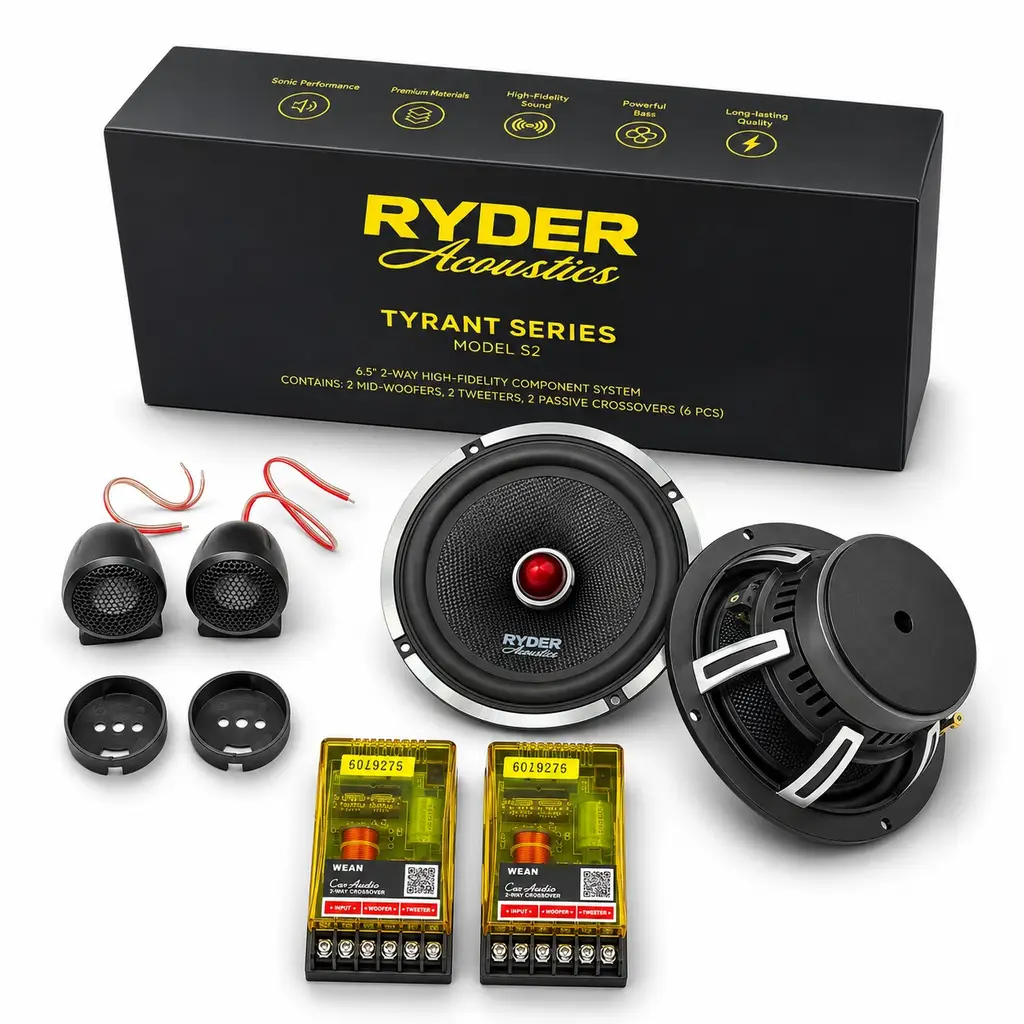
Subwoofers get attention, but the front stage determines whether a system sounds premium. Quality component speakers separate the tweeter and midrange driver so each can perform in the frequency range it was designed to handle. When installed and tuned correctly, they bring vocals forward, sharpen instrument detail, and make the cabin feel larger.
Factory speakers are typically built to meet a cost target. They may perform adequately at low volume, but they struggle with power, detail, and control. Upgrading the front speakers gives an immediate improvement, especially when paired with a dedicated amplifier instead of relying only on head-unit power.
Door treatment is part of the speaker upgrade, not an optional cosmetic extra. Metal door skins vibrate, factory panels rattle, and road noise competes with the music. Proper sound treatment gives midbass more impact and helps the system stay controlled at volume. It is one of the less visible upgrades, but the difference is obvious once the system is playing.
Amplification Is Where Control Comes From
An amplifier is not simply a volume increase. Premium amplification provides headroom, control, and cleaner power to the speakers and subwoofers. That means less strain at higher listening levels and a more composed sound when the track gets demanding.
A multi-channel amplifier is commonly used for the front and rear speakers, while a dedicated monoblock amplifier powers the subwoofer stage. The right power rating depends on the actual speakers, enclosure design, impedance, and system goal. Bigger numbers do not automatically mean better results. An overbuilt amplifier on an underbuilt electrical system can create voltage drops, clipping, and premature equipment failure.
This is why system matching matters. Power should be planned as a complete package, including wiring, fusing, battery capacity, alternator output, and grounding. A clean 1,000-watt build can outperform a poorly designed system claiming double the power.
Subwoofers Need the Right Enclosure, Not Just More Power
A premium subwoofer can only perform as well as its enclosure allows. The box determines how the sub behaves, how deep it plays, how much output it produces, and how much cargo room it consumes.
Sealed enclosures are compact and controlled. They are a strong choice for owners who want tight bass that blends naturally with the rest of the system. Ported enclosures are usually louder and more efficient around their tuned frequency range, making them popular for trucks, SUVs, and bass-focused builds. Neither is universally superior. The vehicle, music preference, available space, and desired output should make the call.
Placement also changes the result. A trunk enclosure, under-seat setup, rear cargo enclosure, or custom fabricated display layout all load the cabin differently. The cleanest option is not always the loudest, and the loudest option is not always the best fit for a daily driver. The best builds respect both the audio goal and how the vehicle is actually used.
DSP Tuning Separates a Good Build From a Finished One
Digital signal processing is where premium systems become precise. A DSP allows an installer to control crossover points, equalization, time alignment, level matching, and more. It gives each speaker the correct signal and helps compensate for the difficult acoustics inside a vehicle cabin.
Without tuning, even high-end components can sound disconnected. The bass may arrive late, vocals may pull toward one door, or the highs may become harsh at volume. With proper tuning, the system feels unified. Music opens up across the dash instead of sounding like it is coming from separate speakers around the cabin.
Factory integration can also require more planning in newer vehicles. Many OEM head units control warning chimes, camera functions, climate displays, and vehicle settings. Retaining those features while improving audio requires the right integration strategy. Cutting corners here can create noise, lost functions, or a system that never reaches its potential.
Fitment and Finish Matter on a Custom Vehicle
A premium audio system should look deliberate when the panels come off and disappear when they go back on, unless the build calls for a show-ready display. Clean wiring, secure mounting, proper ventilation, and protected equipment are the standards. Loose cables and exposed hardware have no place in a serious custom build.
For show vehicles, the install can become part of the visual statement. Custom amp racks, stitched panels, color-matched enclosures, acrylic windows, and illuminated details can tie the audio into forged wheels, interior accents, and air-ride suspension. The key is restraint. Visual impact should support performance, not hide poor system design.
Maddox Motorworks approaches vehicle customization as one coordinated build, which is why audio choices should be made with the same attention to fitment and finish as wheels or suspension. A system built for your specific platform will always feel more complete than a collection of universal parts added over time.
Avoid the Expensive Mistakes
The most common premium-audio mistake is buying gear before designing the system. It leads to mismatched impedances, insufficient wiring, weak electrical support, enclosures that do not fit, and equipment that cannot be tuned together effectively.
Avoid choosing speakers only by peak wattage, amplifiers only by advertised power, or subwoofers only by size. Real performance comes from RMS ratings, enclosure specifications, sensitivity, power delivery, and installation quality. Also be honest about cargo needs. A full-size custom enclosure may be worth it in a dedicated show truck, but it can be the wrong move for a daily-driven sedan that needs its trunk every week.
The right system should match the way you drive, the music you play, and the statement you want the vehicle to make. Build around the platform, invest in the details that cannot be seen, and let the finished sound speak every time the system turns on.